


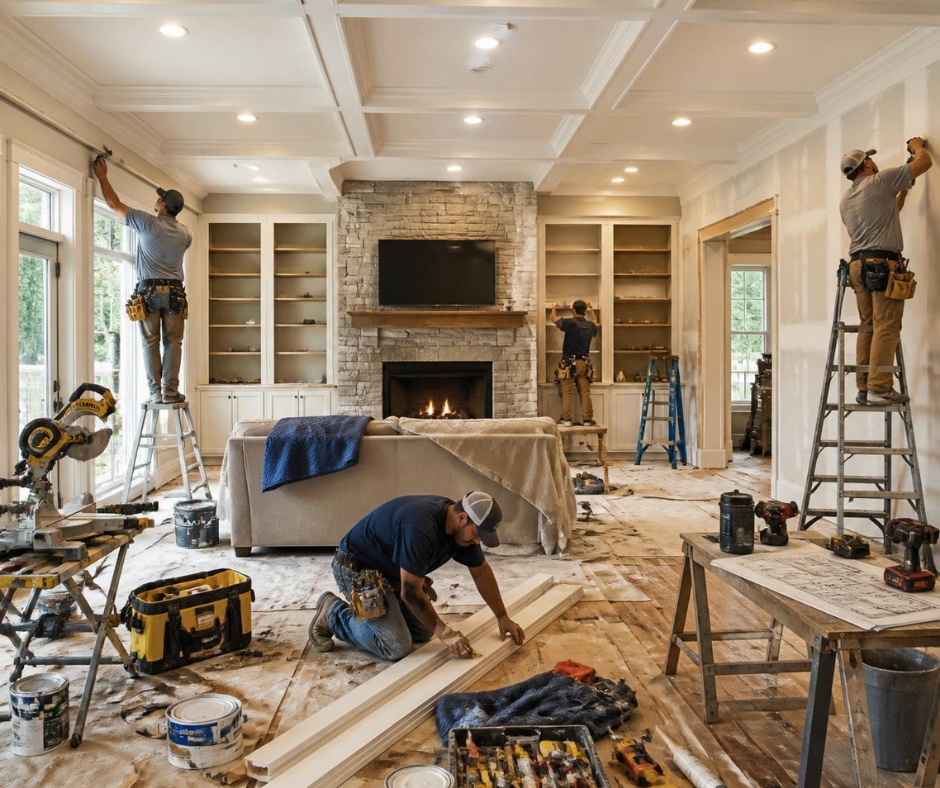
Inflation and rising material costs over the past few years have driven up repair and reconstruction expenses significantly. Many business owners and homeowners don’t realize their current property limits may still reflect historical market values, leaving them vulnerable to severe underinsurance in the event of a total loss.
An October coverage audit allows policyholders to evaluate asset values, adjust policy limits, and capture seasonal discounts before end-of-year renewal cycles lock in higher rates.
Reviewing your building replacement costs, equipment valuations, and inventory records now ensures your property remains fully protected while optimizing premium costs.
The Hidden Cost of Underinsurance: Replacement vs. Market Value
Property values and construction costs fluctuate independently of real estate market prices. While market value reflects what a buyer pays for a building and land, replacement cost covers the actual labor and raw materials required to rebuild from the ground up.
Key Factors Driving Up Construction Costs
-
- Material Inflation: Lumber, steel, roofing shingles, and electrical wiring remain significantly higher in price compared to pre-inflation baselines.
- Labor Shortages: Higher wages for skilled trades—such as electricians, plumbers, and carpenters—directly impact overall restoration estimates.
- Supply Chain Timelines: Slower delivery times for specialized commercial machinery or custom-building materials add secondary costs during rebuilds.
- Building Code Upgrades: Local ordinances often require rebuilt structures to meet newer, more stringent structural, energy, or fire safety codes.
What a Fall Coverage Audit Evaluates
Conducting a structured audit in October gives you ample time to collect updated documentation, consult valuation databases, and adjust policy endorsements before winter risks peak.
How an October Audit Helps Save Money
Updating coverage limits isn’t just about adding coverage—it is one of the most effective ways to restructure premium costs and eliminate wasteful spending.
Cost-Saving Opportunities
-
- Avoid Coinsurance Penalties: Many commercial property policies include a coinsurance clause (typically 80% or 90%). If your property is insured for less than this percentage of its true replacement value, insurers can reduce your payout on partial claims. Keeping values accurate avoids unexpected out-of-pocket loss penalties.
- Remove Obsolete Assets: Deleting discarded equipment, sold inventory, or outdated technology from active inland marine or personal property schedules lowers overall premium basis.
- Optimize Deductibles: Raising a standard property deductible slightly can offset premium adjustments required to bring building replacement limits up to current standards.
- Bundle & Lock Seasonal Discounts: Finalizing policy updates in October positions your account favorably before insurance carriers roll out annual rate adjustments in the new calendar year.
October Inflation Audit Checklist
-
- [ ] Calculate current building replacement cost per square foot
- [ ] Document all property renovations, structural updates, or roof replacements completed this year
- [ ] Update values on scheduled equipment, tools, and heavy machinery
- [ ] Adjust business personal property limits to reflect holiday/peak Q4 inventory levels
- [ ] Review coinsurance percentages on commercial property forms
- [ ] Audit business income and extra expense restoration limits
- [ ] Schedule a formal policy review session with your agent
Frequently Asked Questions
What is a coinsurance clause, and how does inflation affect it?
A coinsurance clause requires policyholders to maintain coverage equal to a set percentage (usually 80% or 90%) of the building’s actual replacement value. If inflation causes rebuilding costs to surge but coverage limits stay the same, you may fail the coinsurance threshold and face reduced claim payouts.
Why is October the best month for a coverage audit?
October falls right before end-of-year operations, Q4 inventory peaks, and annual policy renewal cycles. Auditing in October provides enough buffer to update coverage limits, gather appraisals, and adjust deductibles before winter weather risks increase.
How does replacement cost differ from actual cash value (ACV)?
Replacement cost covers the cost to repair or replace property with material of like kind and quality without deduction for depreciation. Actual cash value deducts depreciation for age and wear, leaving policyholders responsible for the financial gap during a total loss.
Review Your Assets & Coverage Before Year-End
Rising costs don’t have to leave your business or home exposed to unexpected property losses. Reviewing your asset values and policy terms now helps keep your property covered while optimizing your annual insurance budget.
Contact our agency to schedule your autumn coverage audit and confirm your property limits reflect accurate replacement costs.
Recent Comments